
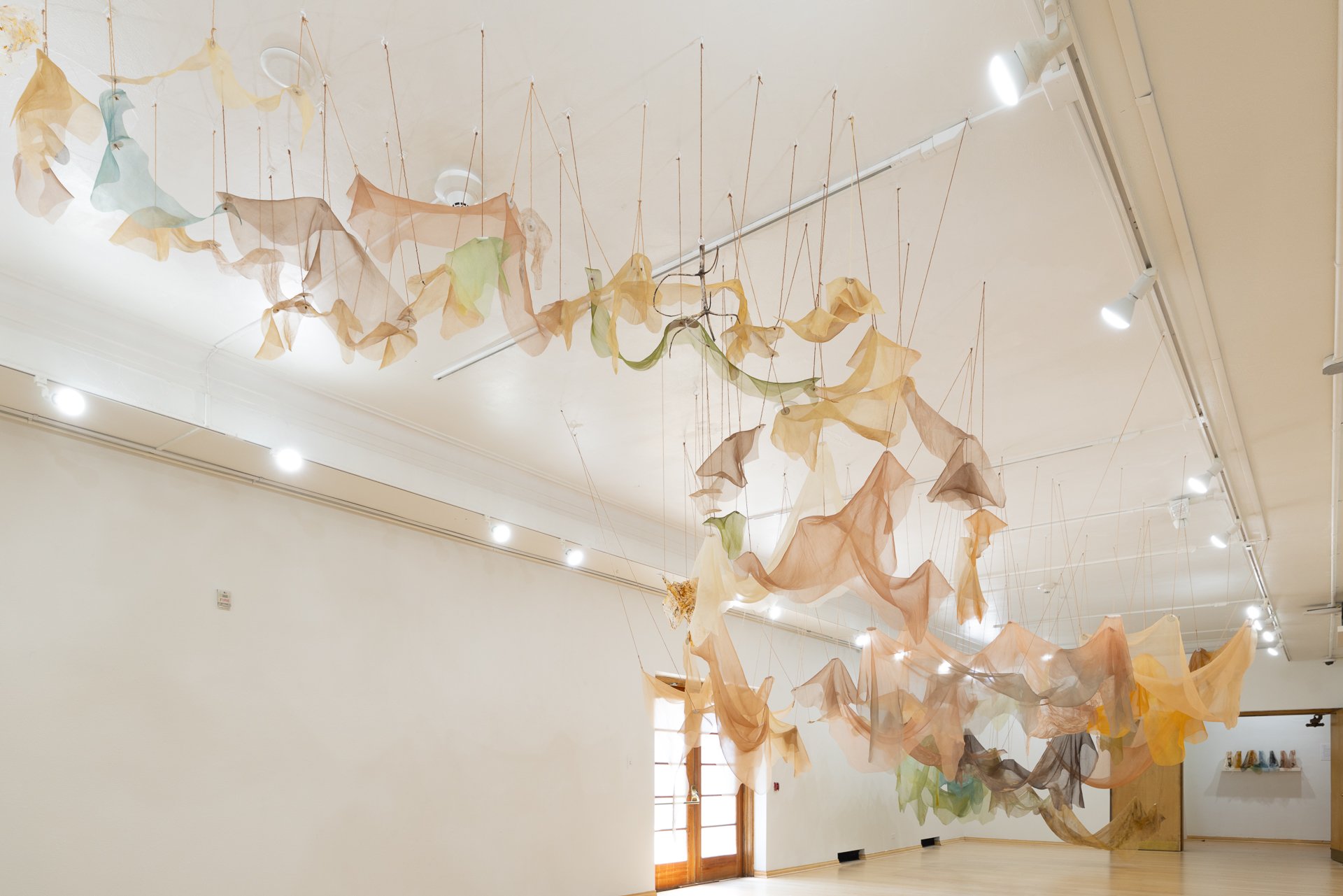
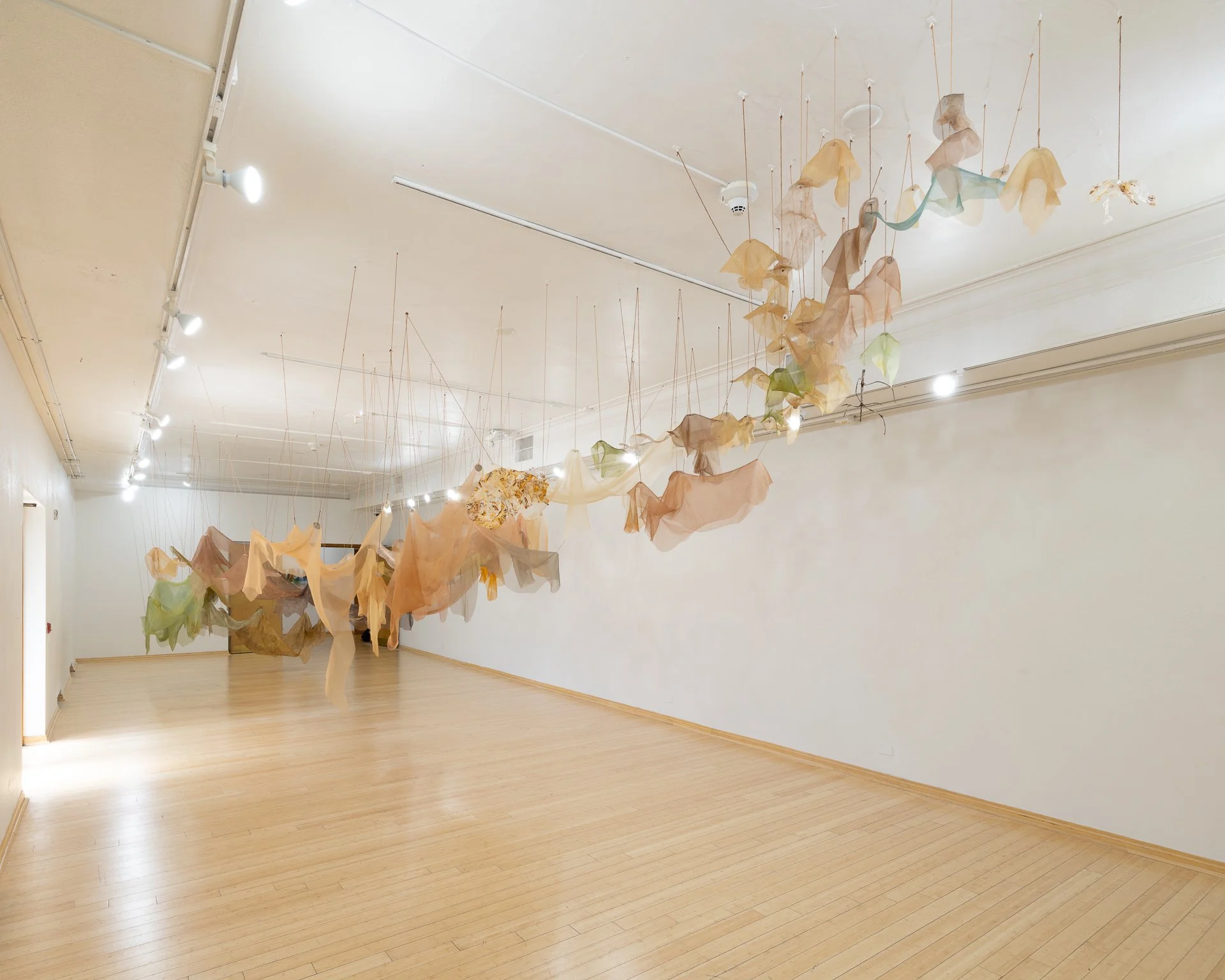
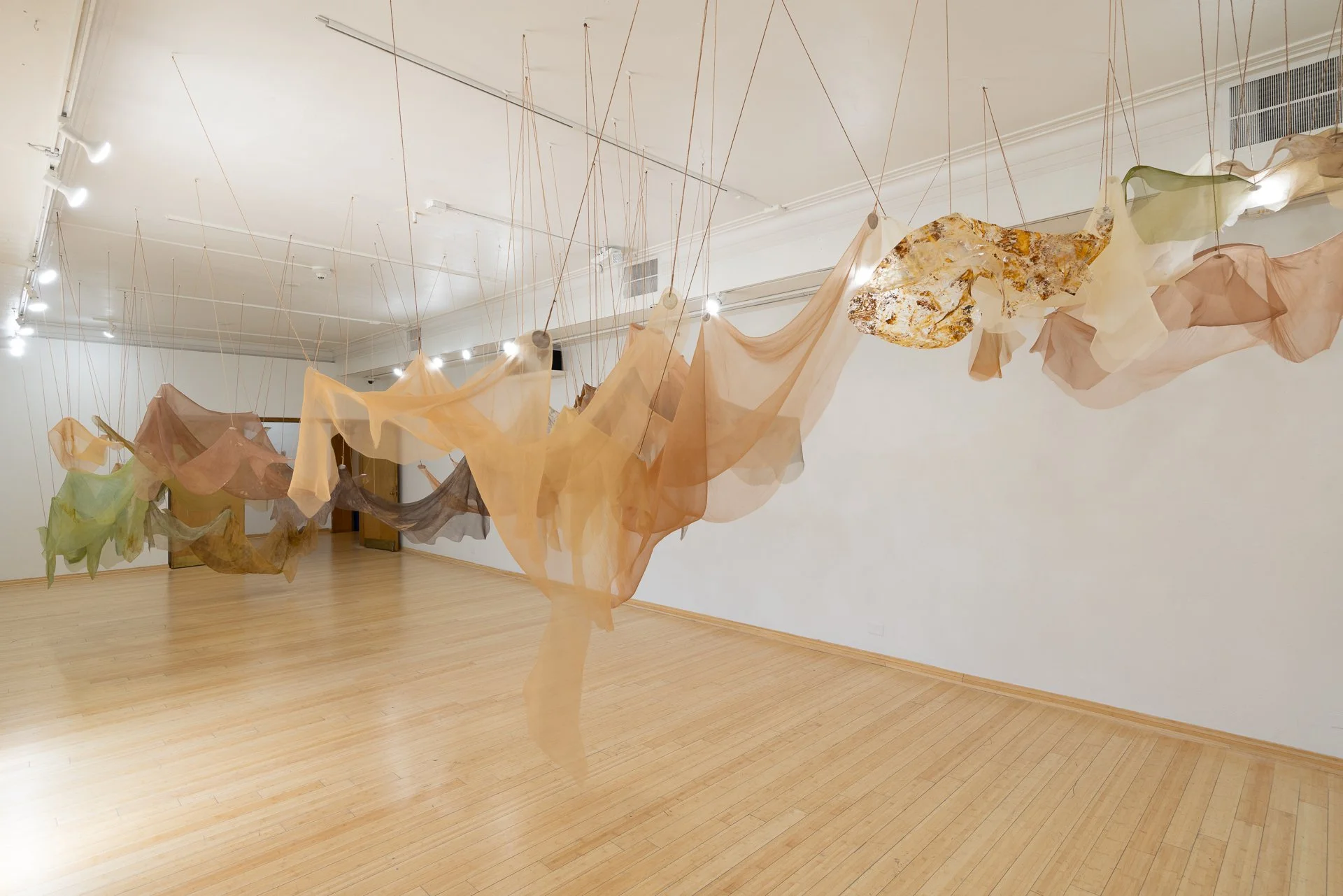
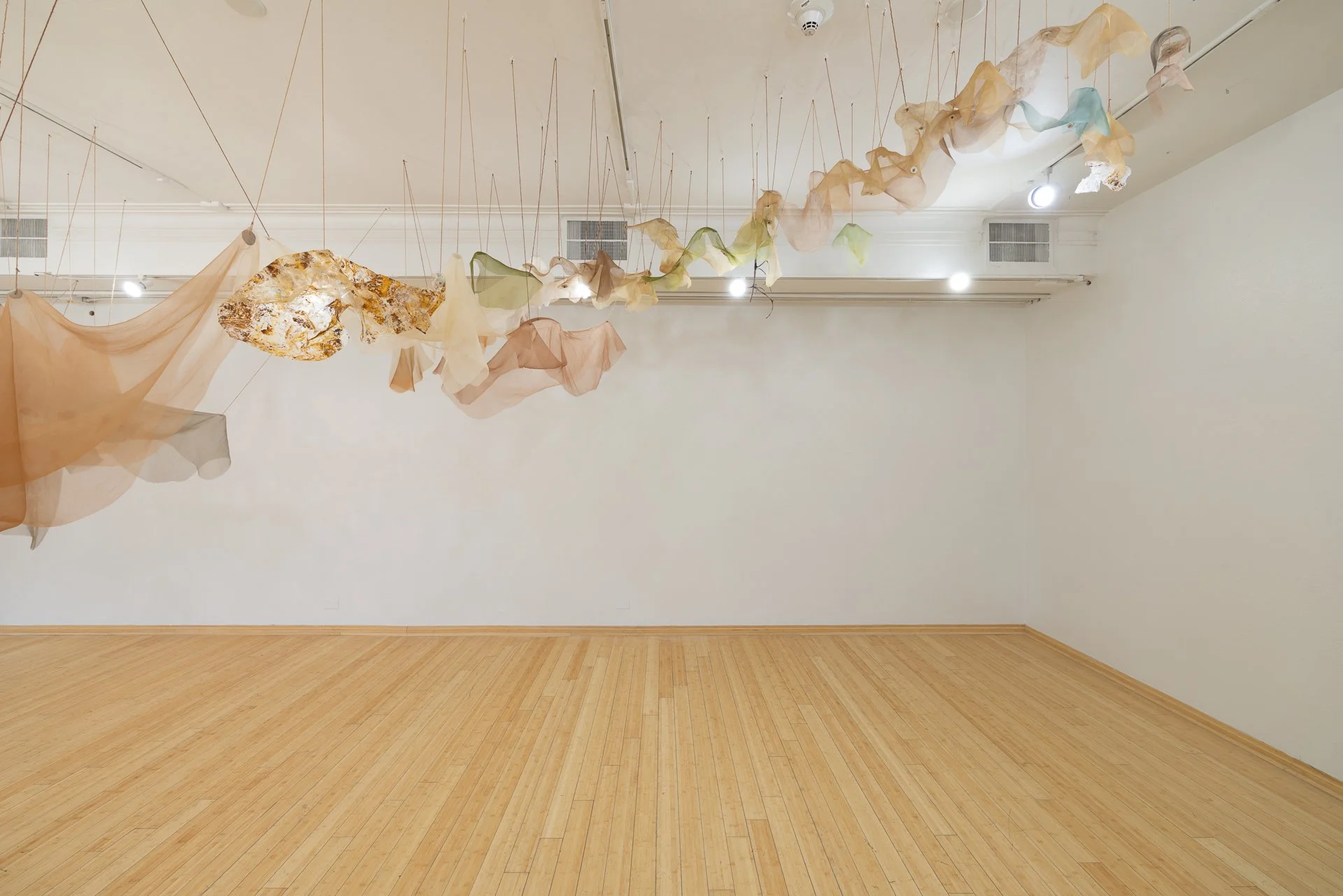
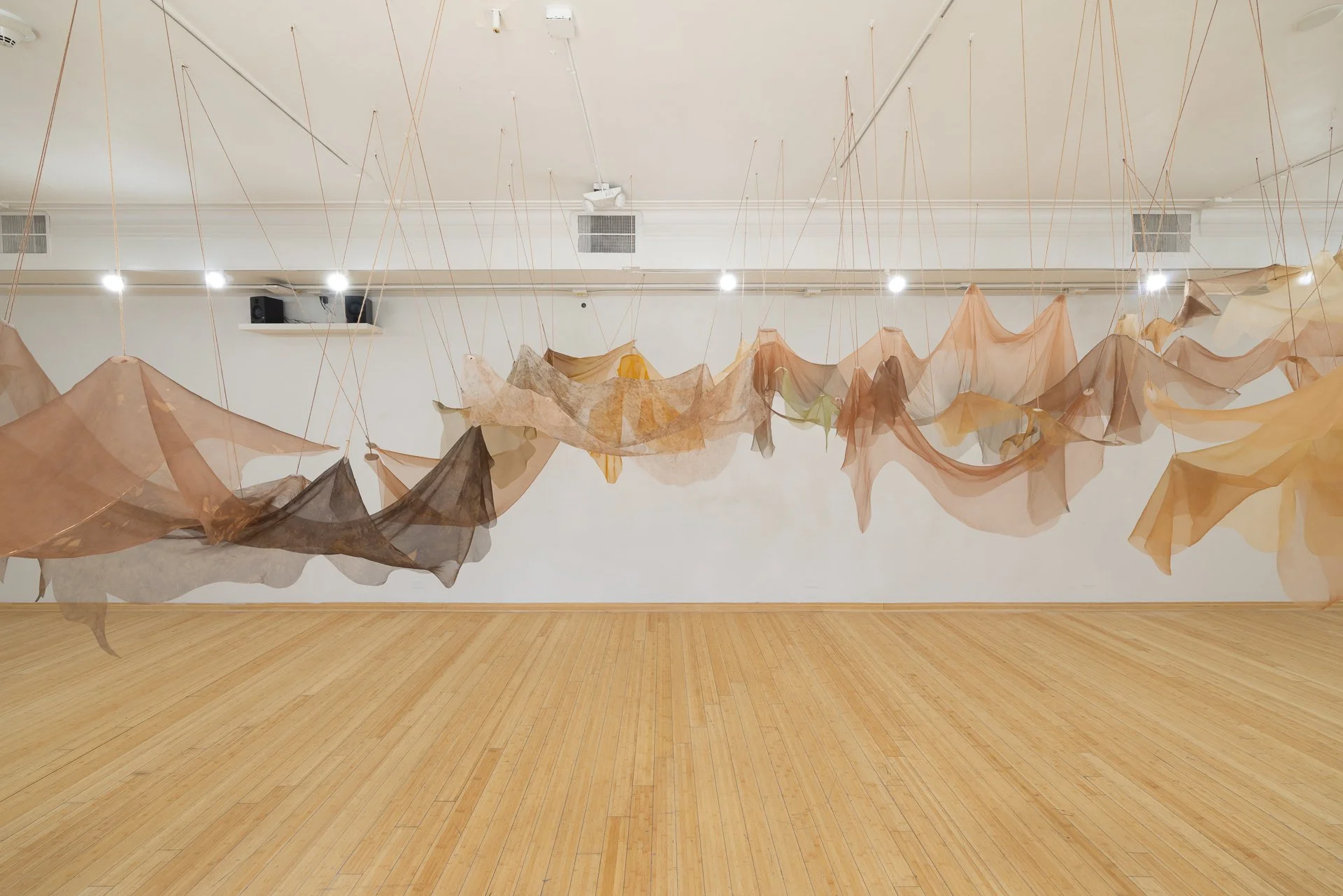
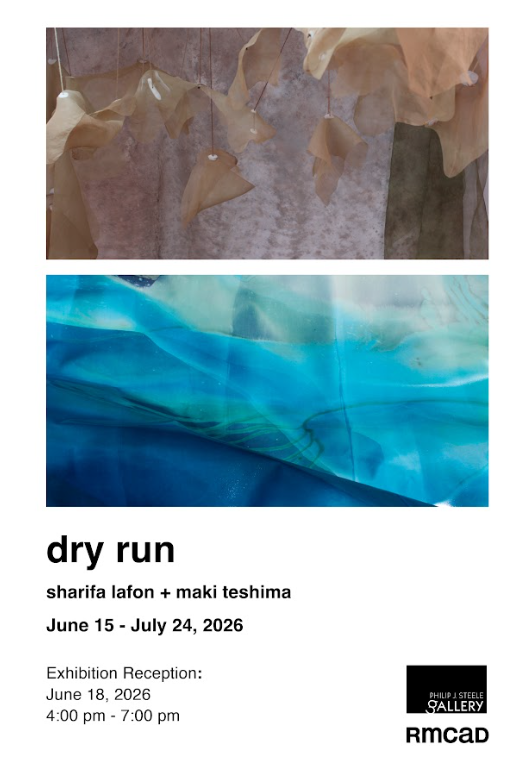
Dry Run by Sharifa Lafon and Maki Teshima
June 15 - July 24, 2026
Performance with the Artists
July 9th, 6-8pm in the Mary Harris Auditorium: Performance with Sharifa Lafon and Adán De La Garza, Jenna Maurice, Joshua Ware, Eileen Roscina
mending Workshop
July 15th 4-7pm in Neusteter: Mending Workshop with Maki Teshima
OPENING RECEPTION
Thursday, June 18 2026, from 4:00 pm - 7:00 pm.
GALLERY HOURS
Monday through Friday, 11 am - 4 pm.
The Philip J. Steele Gallery is located on RMCAD’s campus at 1600 Pierce Street, Denver, CO 80214.
ABOUT THIS EXHIBITION
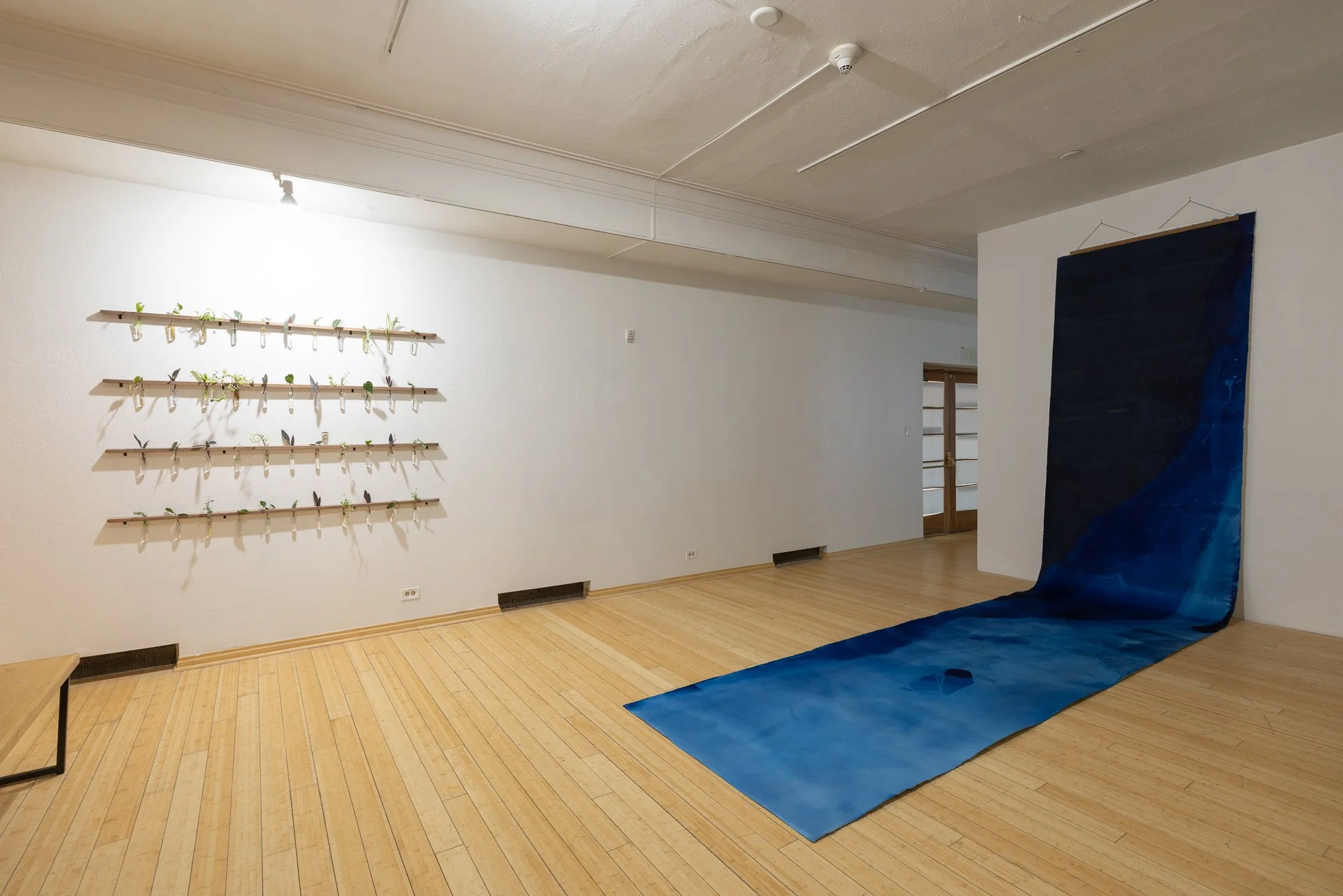
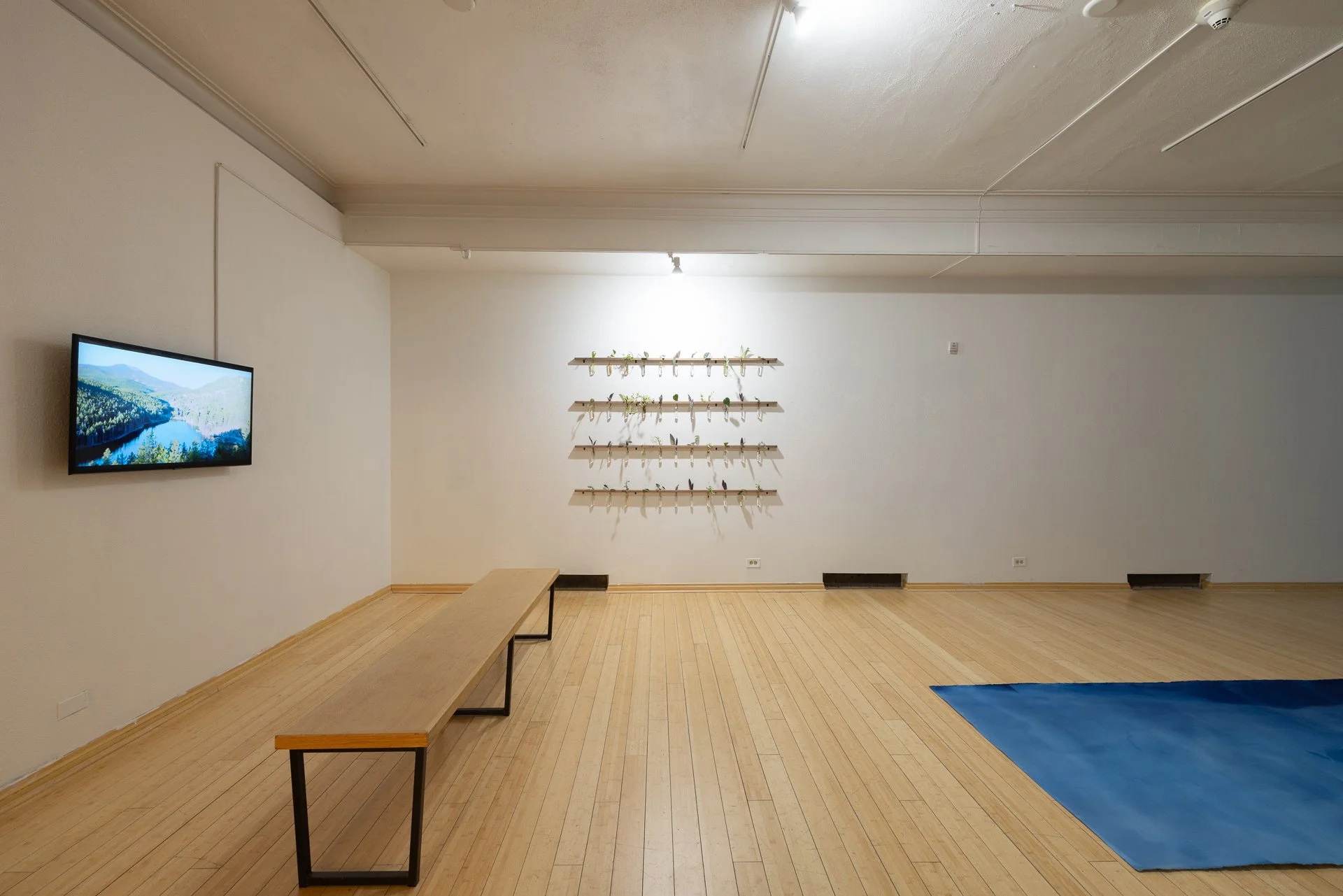
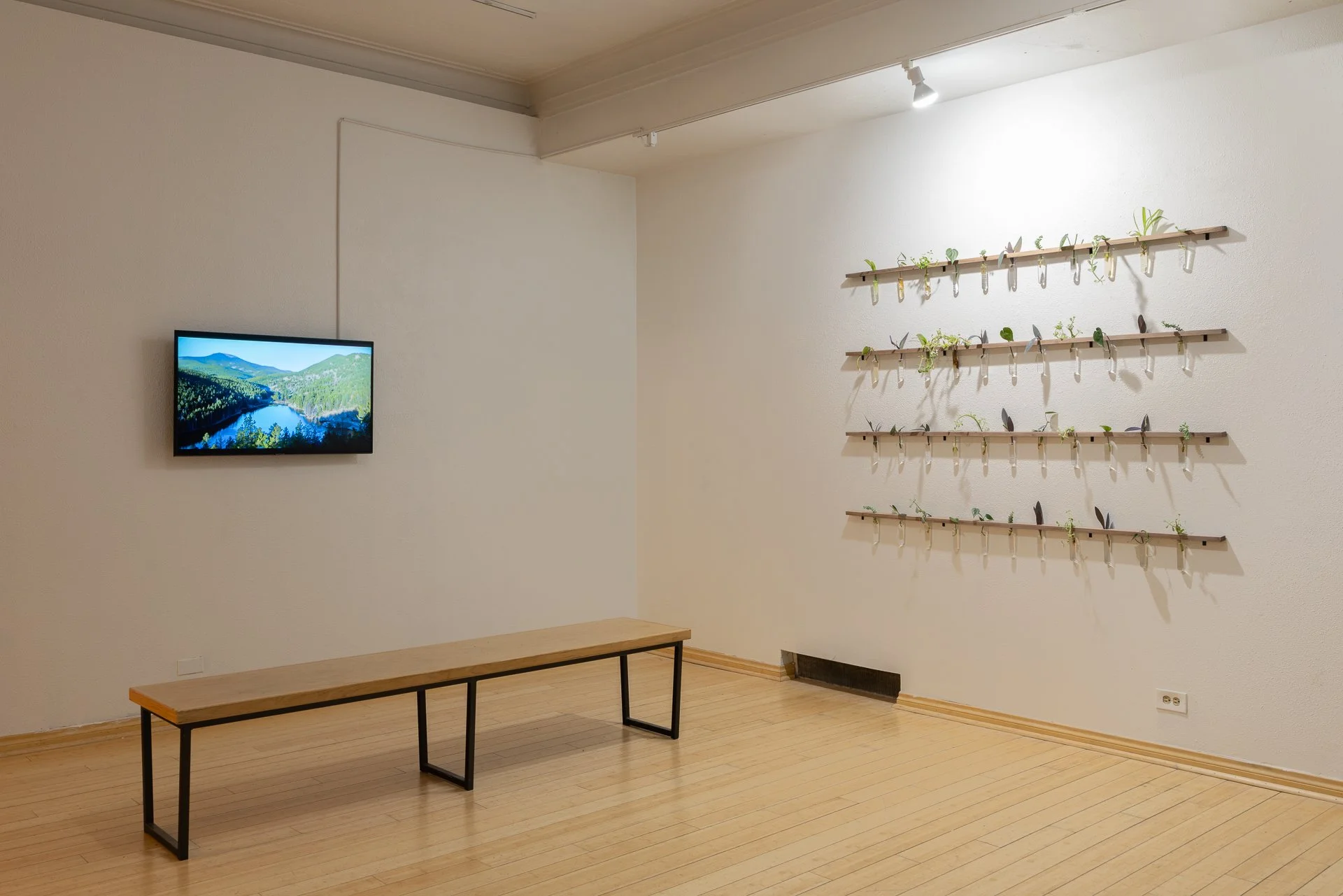
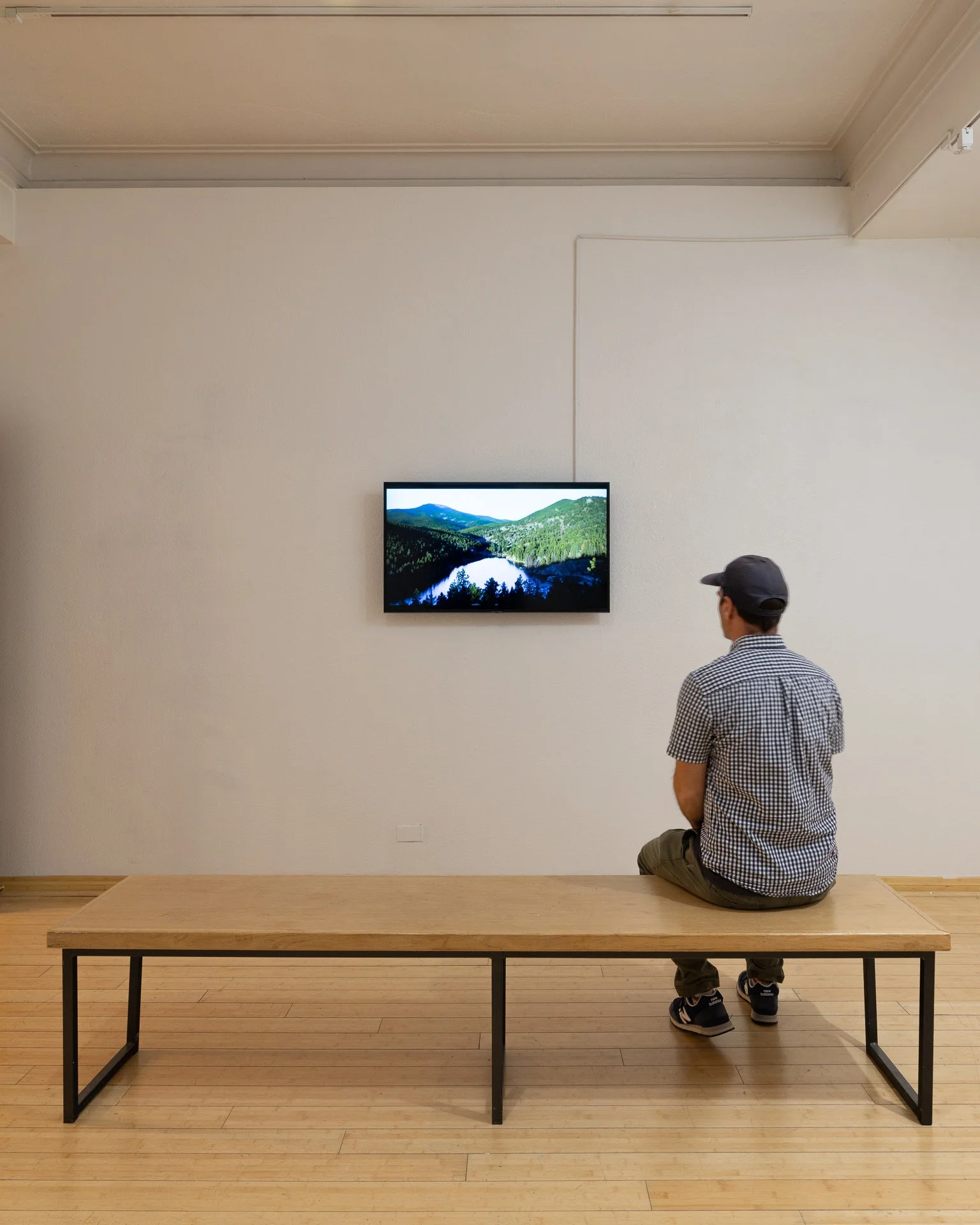
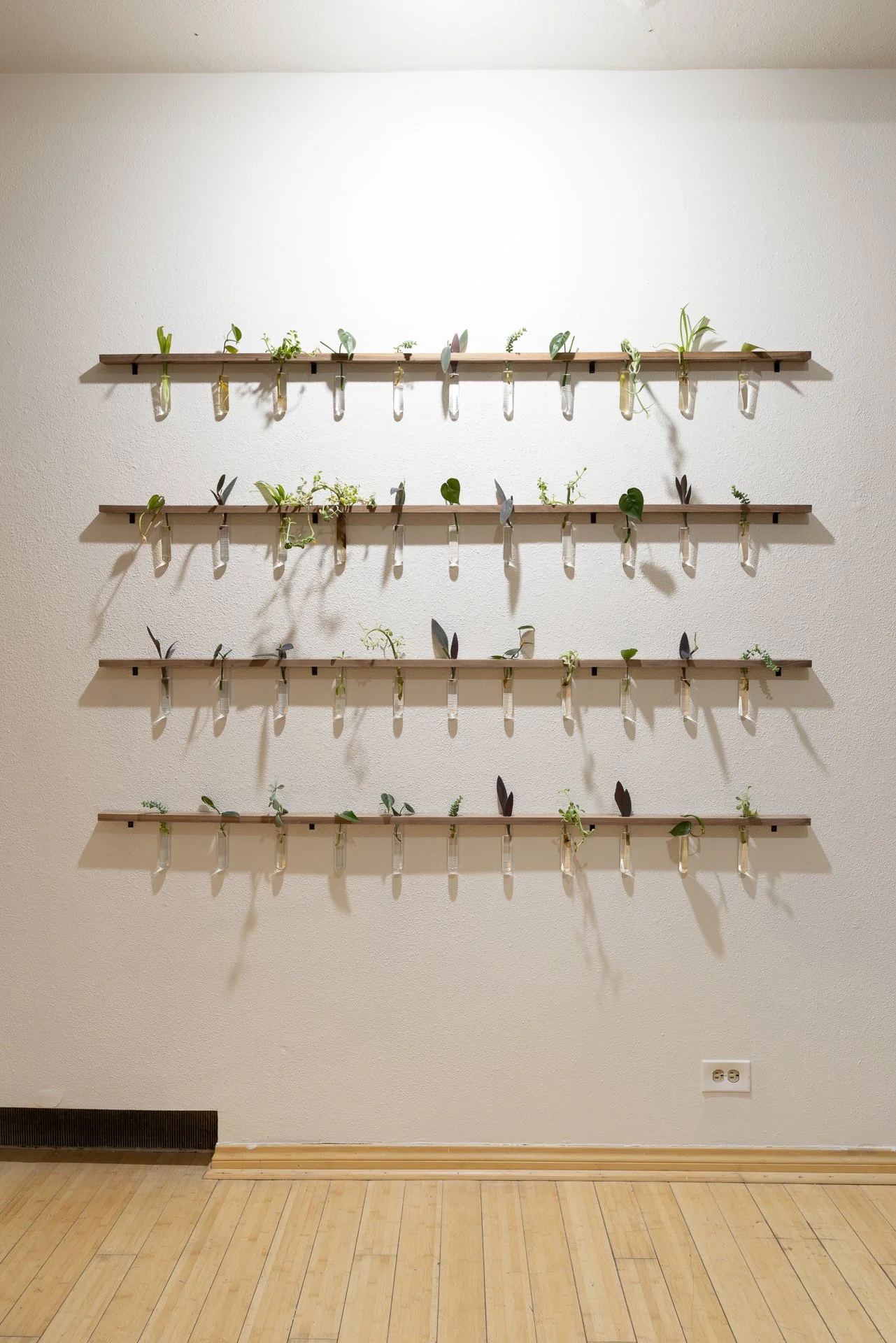
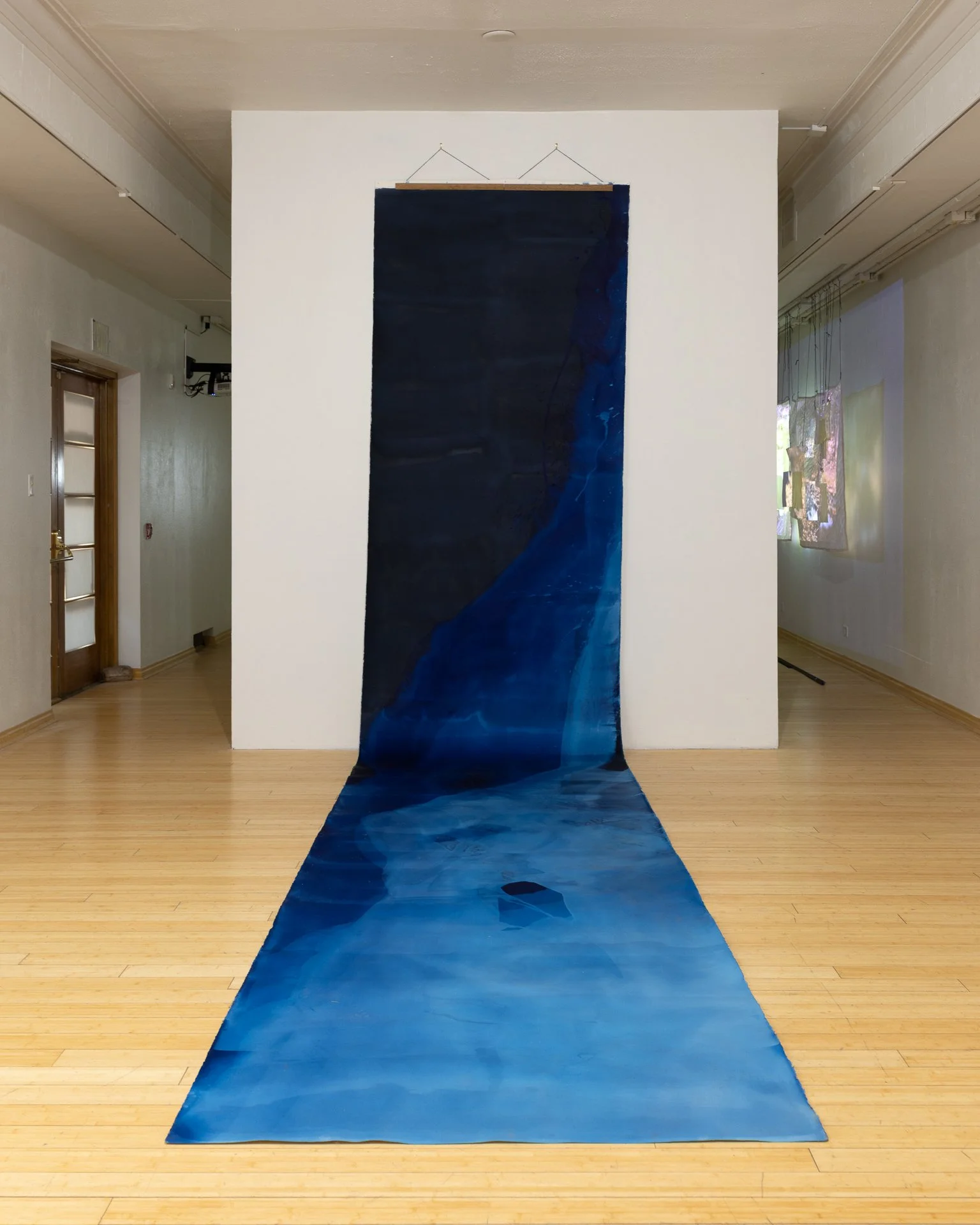
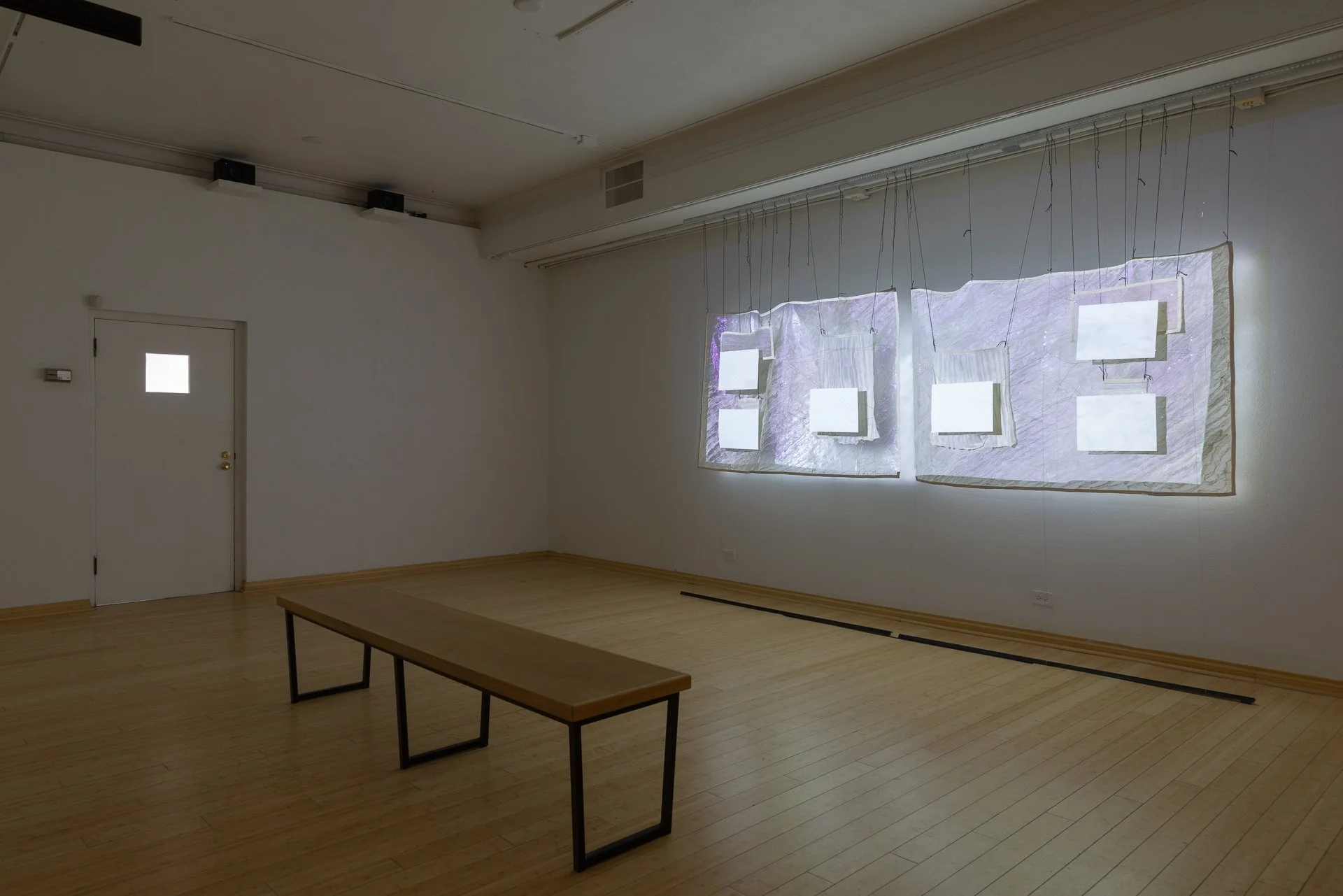
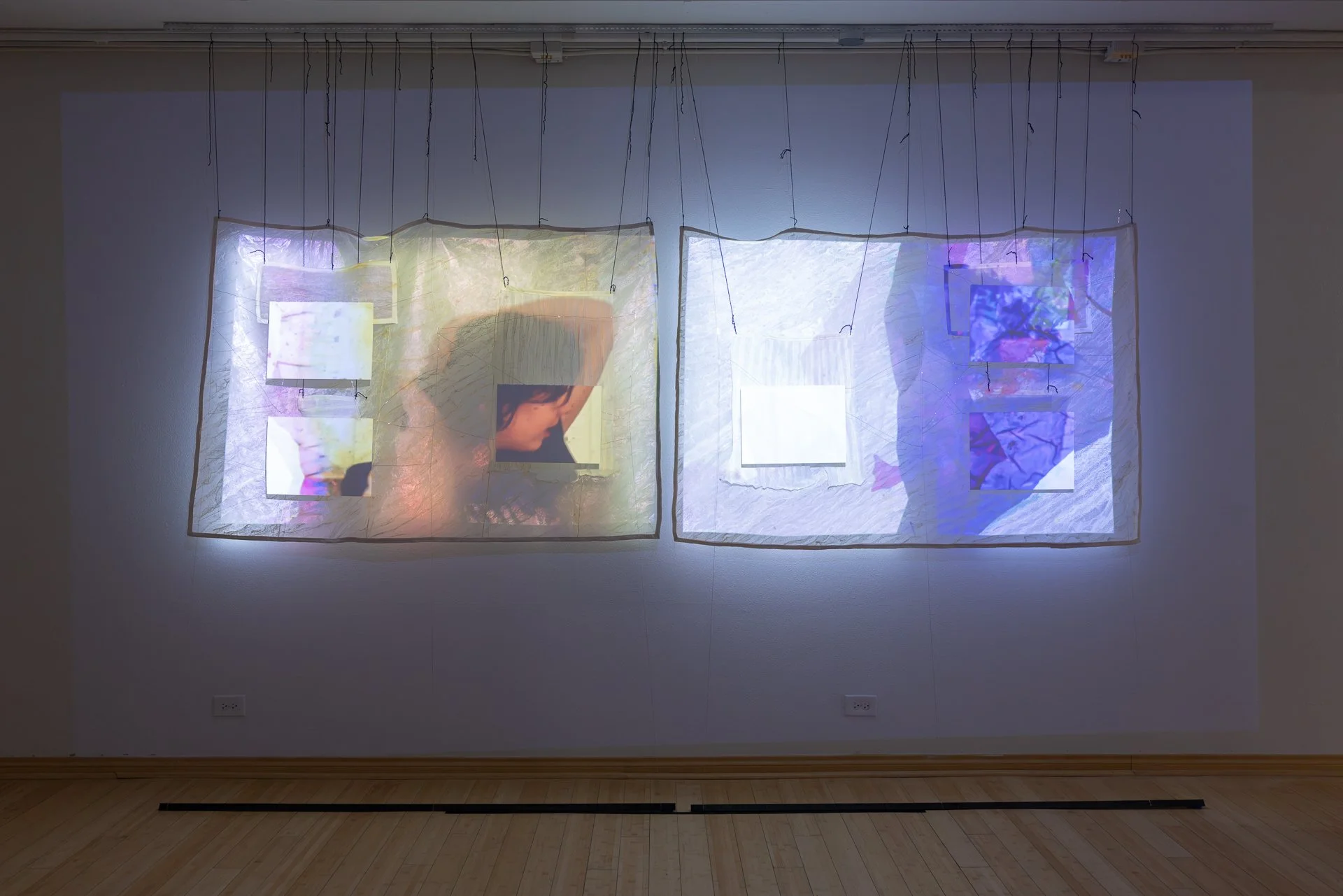
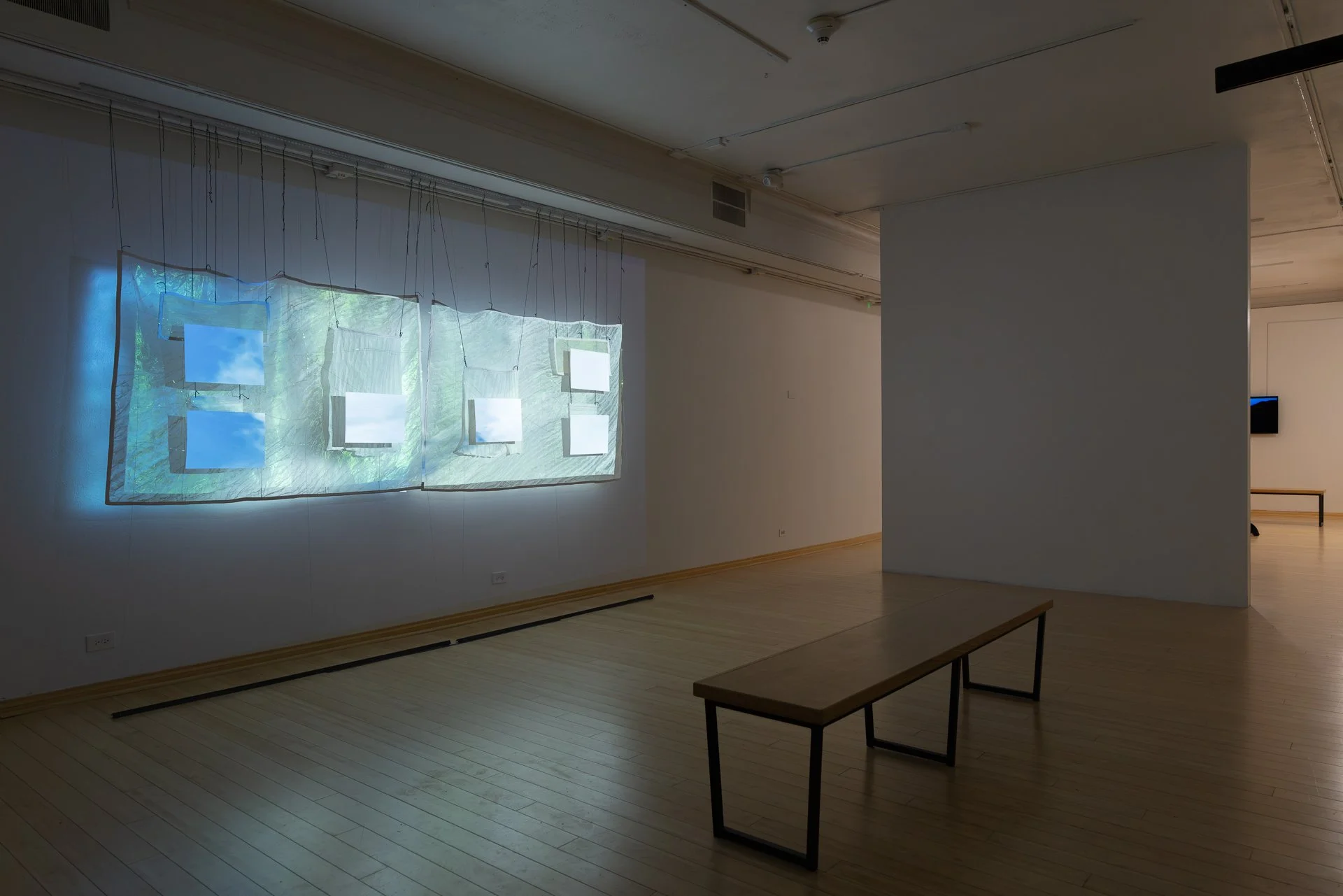
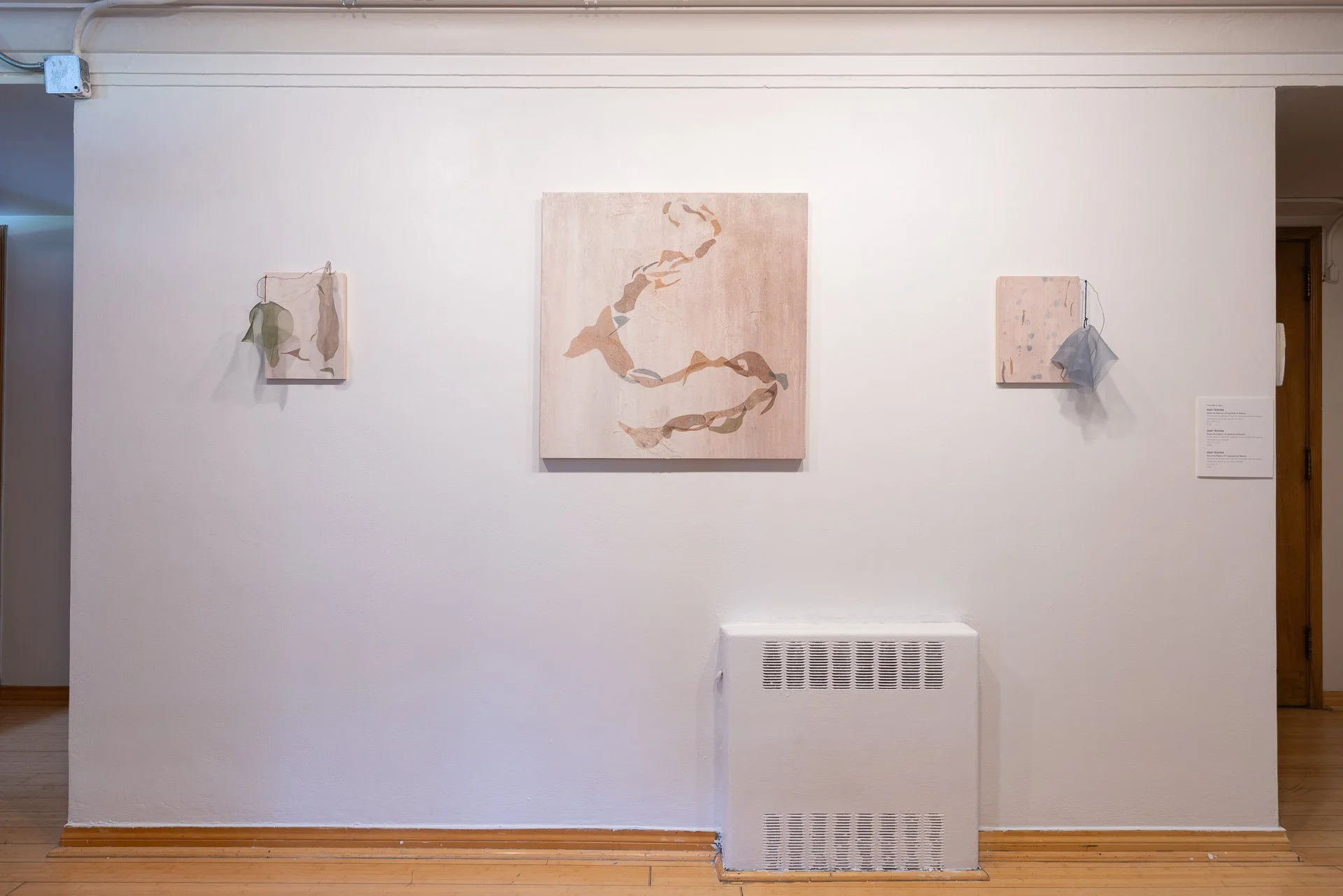
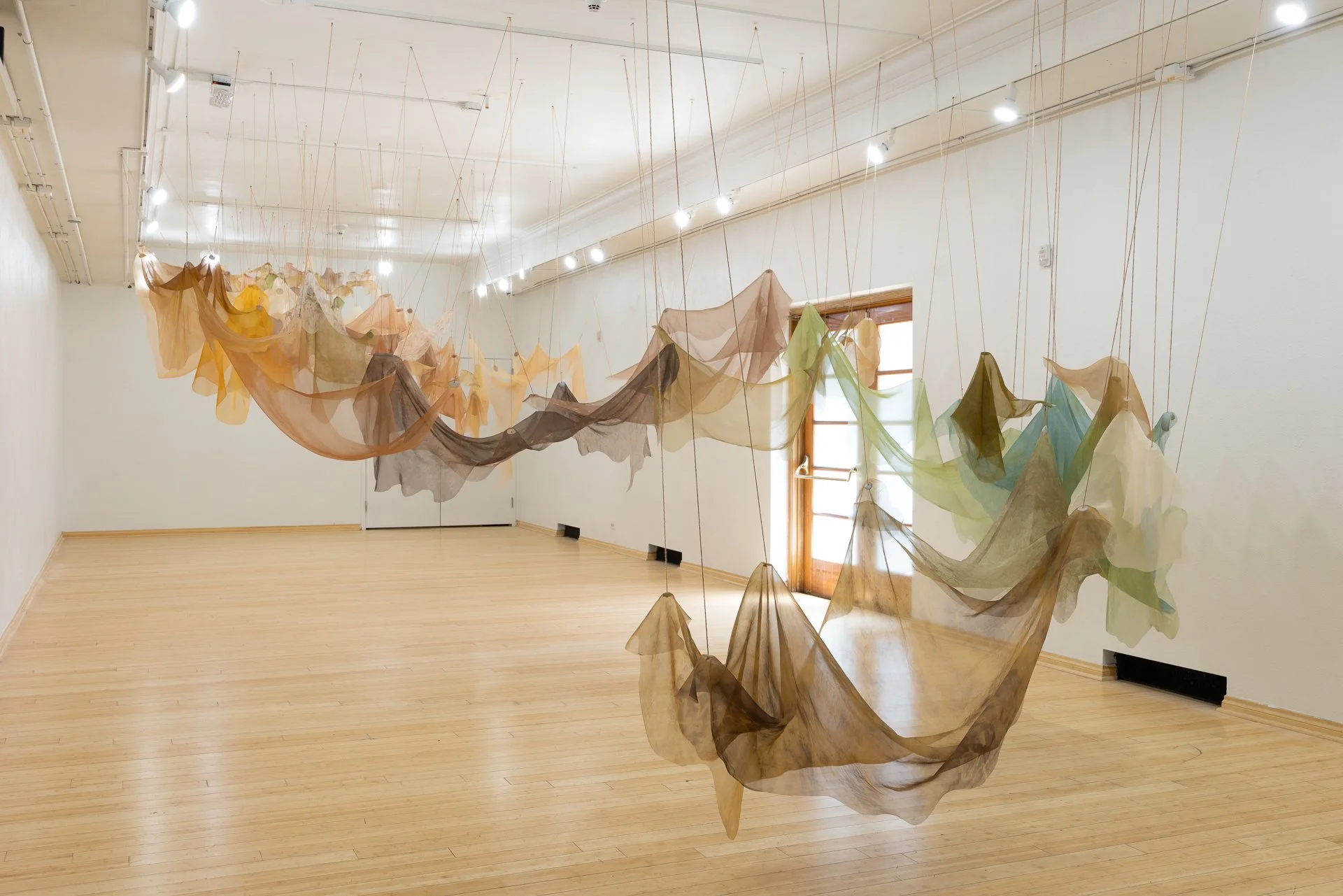
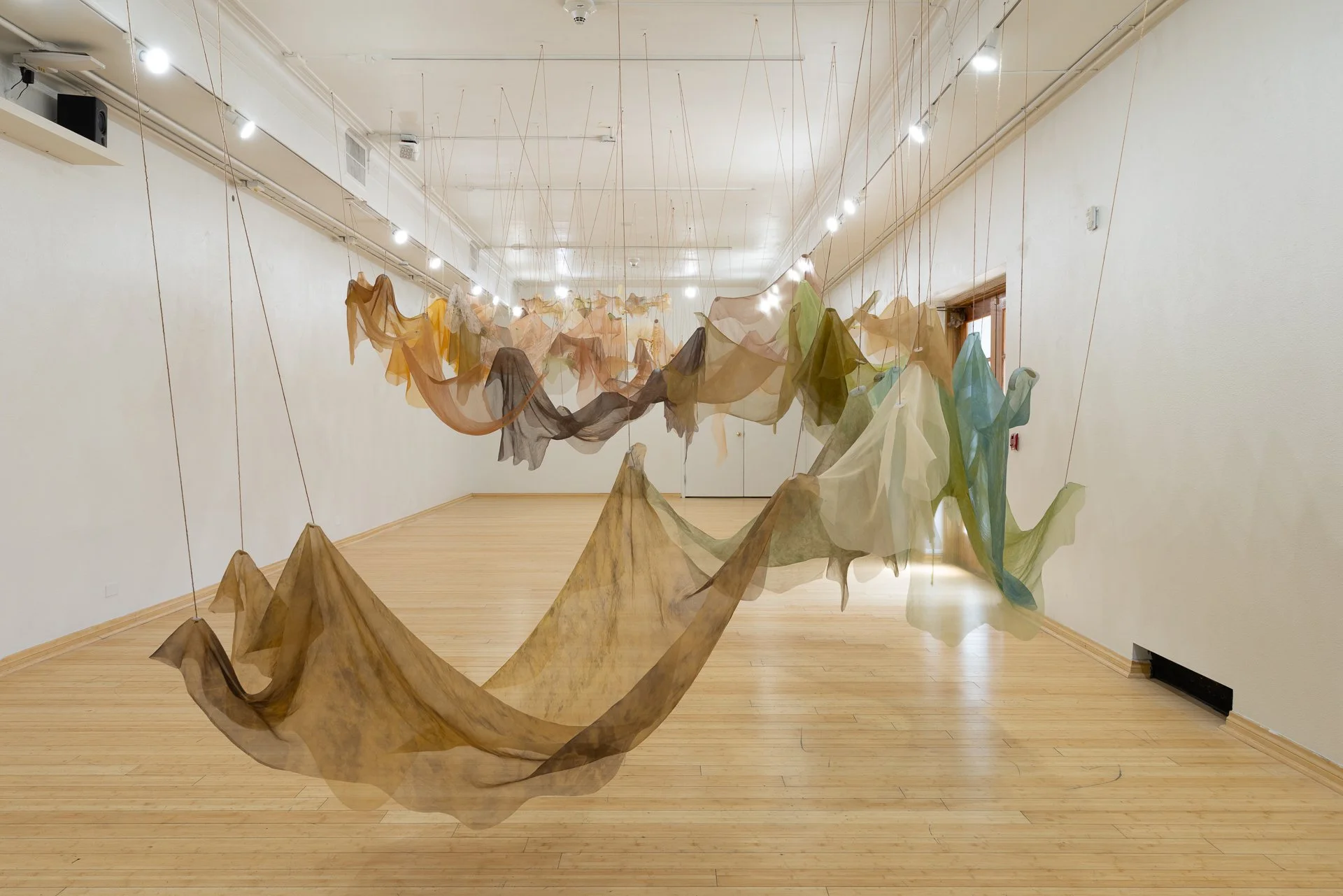
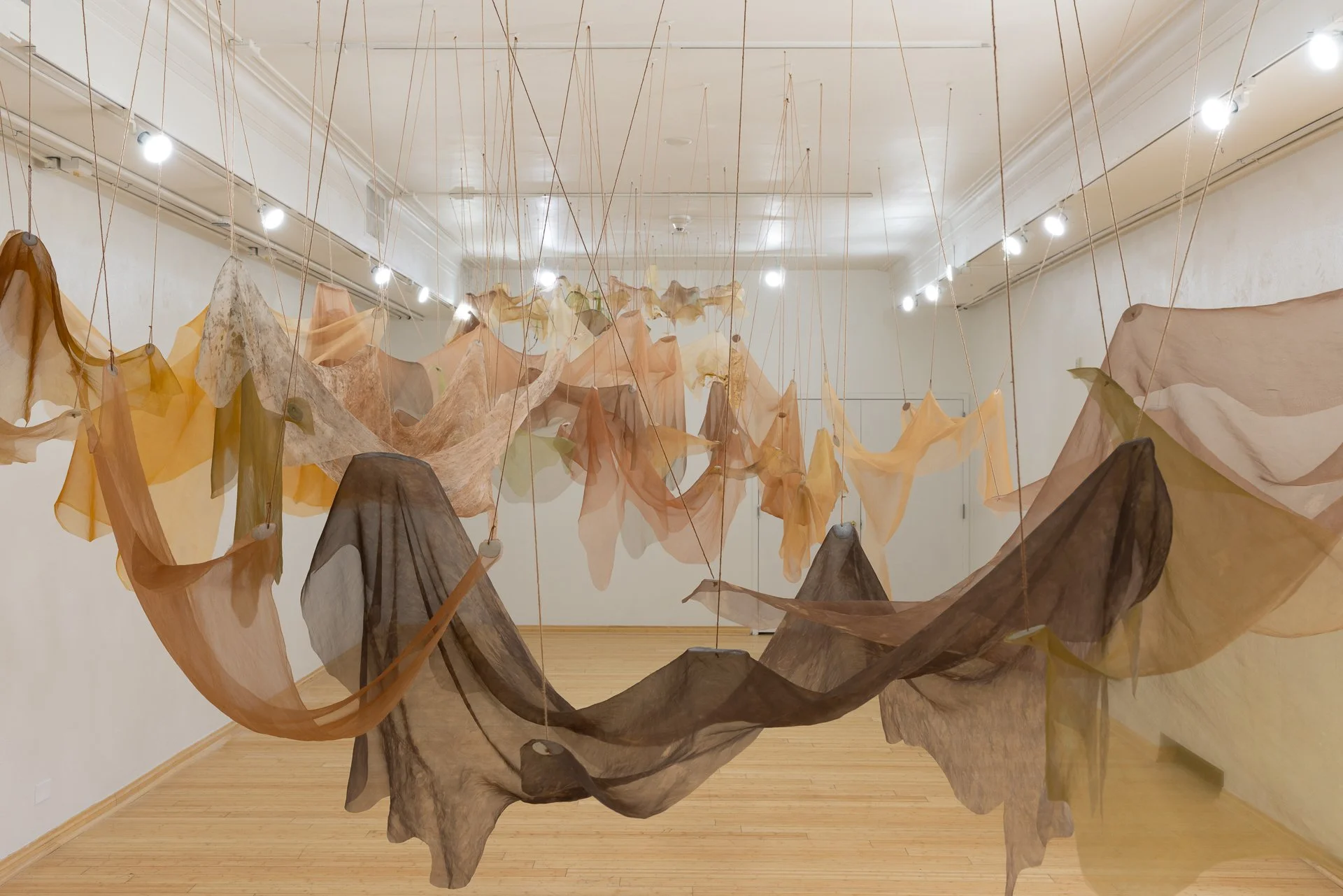
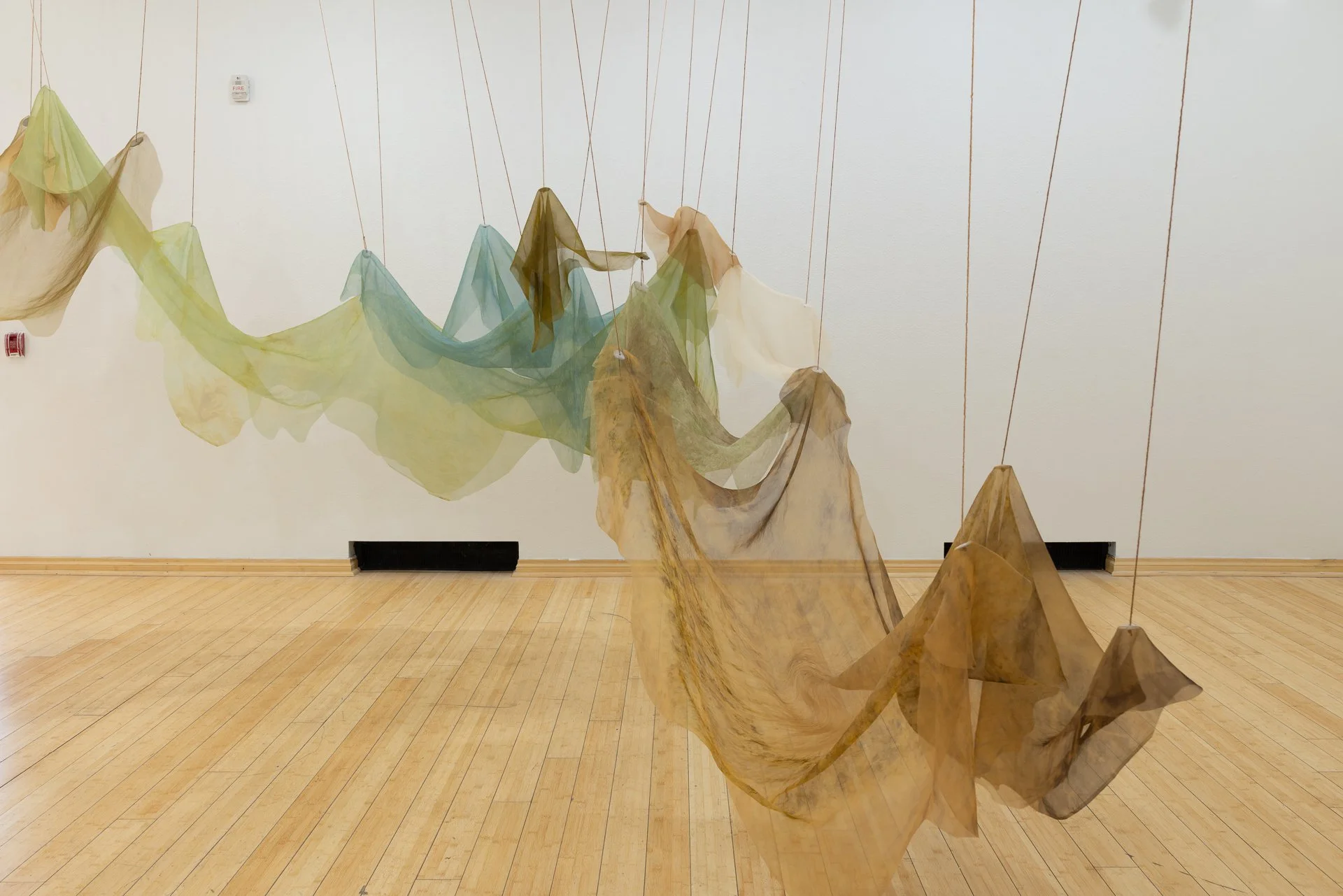
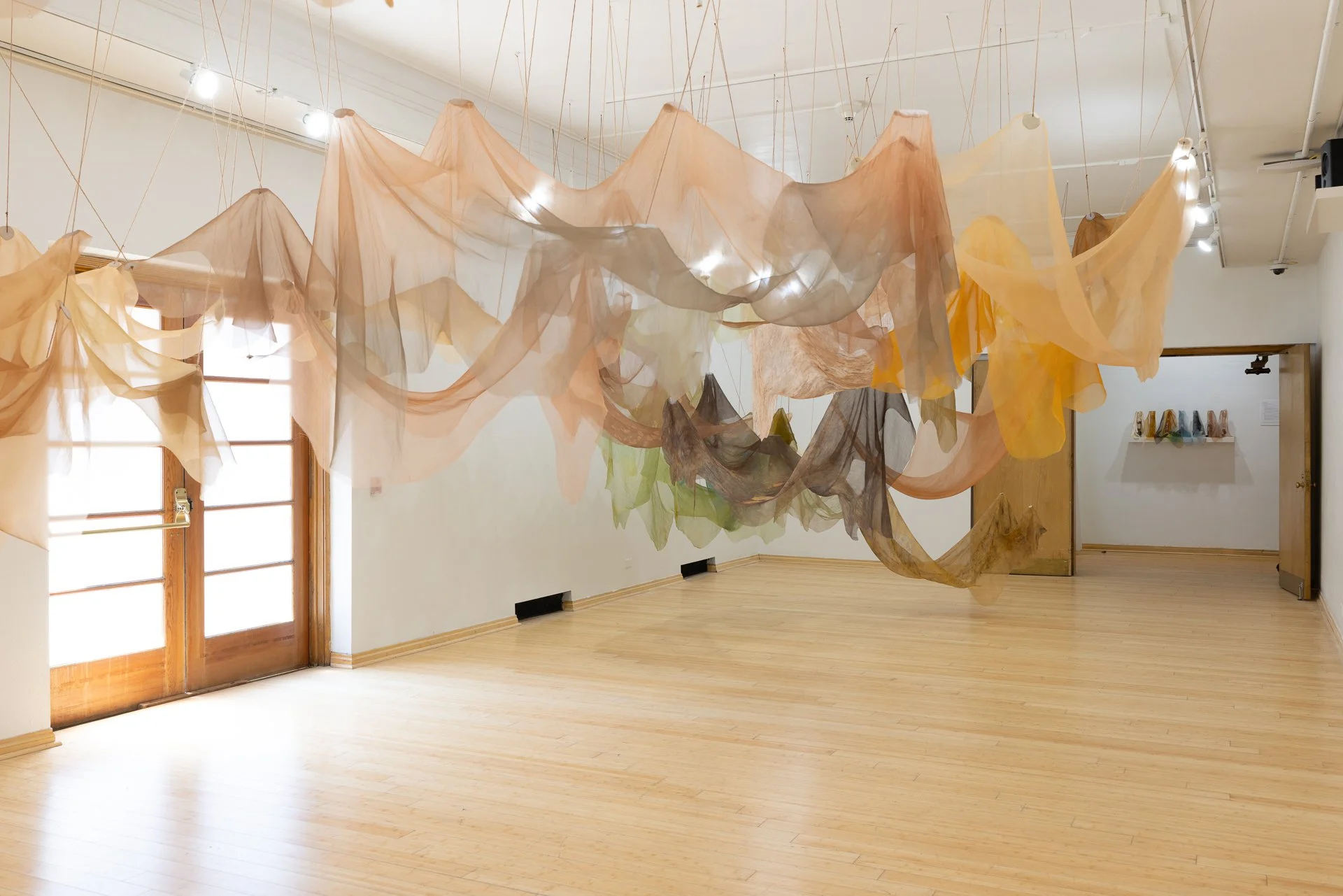
Dry Run is a two-person exhibition at RMCAD featuring Sharifa Lafon and Maki Teshima. Together, the artists examine environmental change, material exploration, and the beauty that can remain within damaged landscapes.
Colorado's ecosystems are under immediate pressure from increased fire danger, wind damage, and loss of snowpack, all experienced to extremes in the last year. Historically, the state has gone through periods of human-caused destruction due to mining that ruined the land and the water supply, damage that persists today in rivers and soil.
These are not distant catastrophes. Timothy Morton describes ecological awareness as passing through a darkness that is depressing, then uncanny, then dark-sweet: the place where we are unable to escape our grief. This show attempts that third register. The title, Dry Run, names three simultaneous conditions: drought, rehearsals for uncertain futures, and matters that cannot be resolved. Working together, Sharifa Lafon and Maki Teshima engage in a forensic observation of place.
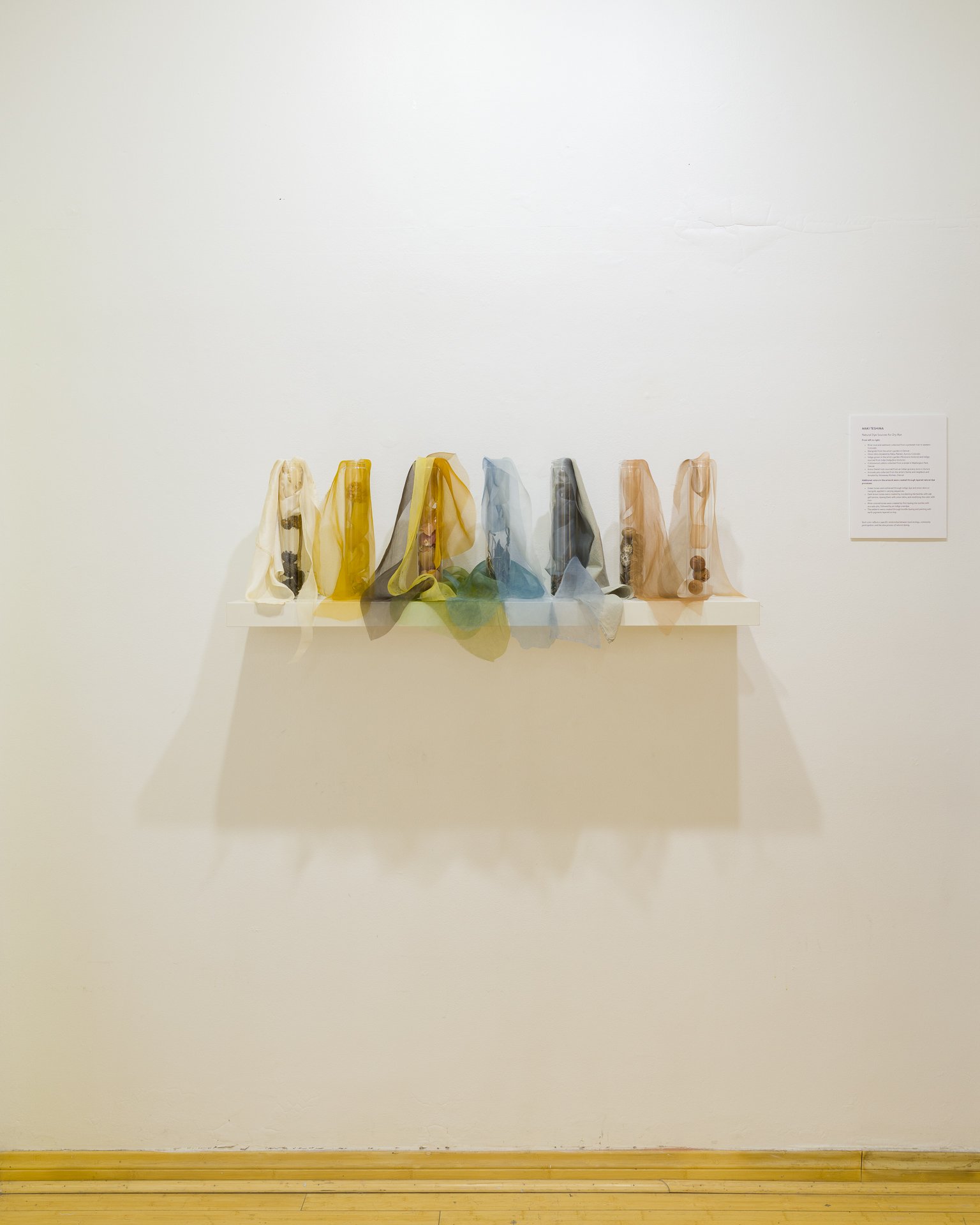
Indigo and ochre, among the oldest pigments in human use, divide the space between desiccation and saturation. To invoke them now, at this geological moment, is to draw the entire span of human mark-making into contact with its possible ending.
The exhibition is informed by direct encounters with Colorado's changing landscapes and environmental realities. Visits to areas where toxic runoff from abandoned silver, lead, and zinc mines continues to flow through local waterways, reveal both contamination and resilience. Bright orange mud, mushrooms emerging beside poisoned creeks after little rain or snow, and wildlife persisting within altered ecosystems offer evidence of nature's continual adaptation to disturbance.
Additional observations from Washington Park in Denver, where a nearly dry pond was reduced to a handful of shallow puddles inhabited by a solitary turtle, underscore the immediacy of environmental change and water scarcity. Throughout Dry Run, wonder and fragility remain intertwined. The exhibition reflects on changing landscapes, finite resources, and the restorative forces that persist alongside ongoing damage.
It is splendor being born of the despotic sterility.
— Clarice Lispector, Água Viva
Bio of maki teshima
Maki Teshima is a botanical dye textile artist from Japan, now based in Denver, Colorado. She explores the beauty of natural colors through her art works and workshops, inspiring communities to connect with nature.
She has shared her expertise through lectures and workshops in diverse settings from flower shops, compost sites, schools, and nonprofit organizations to established museums, spreading the world of natural colors.
With a background in textile surface design in Osaka and New York City, Maki has worked on everything from socks and baby onesies to men’s and women’s clothing. Throughout her career, she has been fascinated by how colors, patterns, and designs in textiles can quickly transform human emotions.
Notable projects include public art installation, Musubi // Connections (2023), supported by The INSITE Fund at Redline Contemporary Art Center; collaborations with the interdisciplinary dance company Holdtight (2024); and her solo exhibition Botanical Stories at Understudy (2024).
bio of Sharifa Lafon
Sharifa Lafon (she/her) is a curator and artist based in Denver. She works in experimental moving image, installation, and public programs. Her artistic practice is concerned with ecology and moving image as a spatial encounter, specifically the moments where the image breaks down, or reveals itself as an illusion. She is the director and curator of Night Lights Denver and the executive director of Denver Digerati, where she commissions and presents work by artists whose ideas she genuinely wants to see realized. Her curatorial approach is less about selection and more about co-production and building conditions for experimentation. She is currently a PhD candidate in the Department of Critical Media Practices at the University of Colorado Boulder.
ABOUT THE PHILIP J. STEELE GALLERY

Named in honor of RMCAD’s founder, the Philip J. Steele Gallery features dynamic and innovative work from contemporary artists and designers, RMCAD alumni, current students, and faculty. Open to the public, these galleries serve as a place to foster critical discourse around art and design for the RMCAD and broader communities by presenting challenging, educational, and significant exhibitions and projects.